
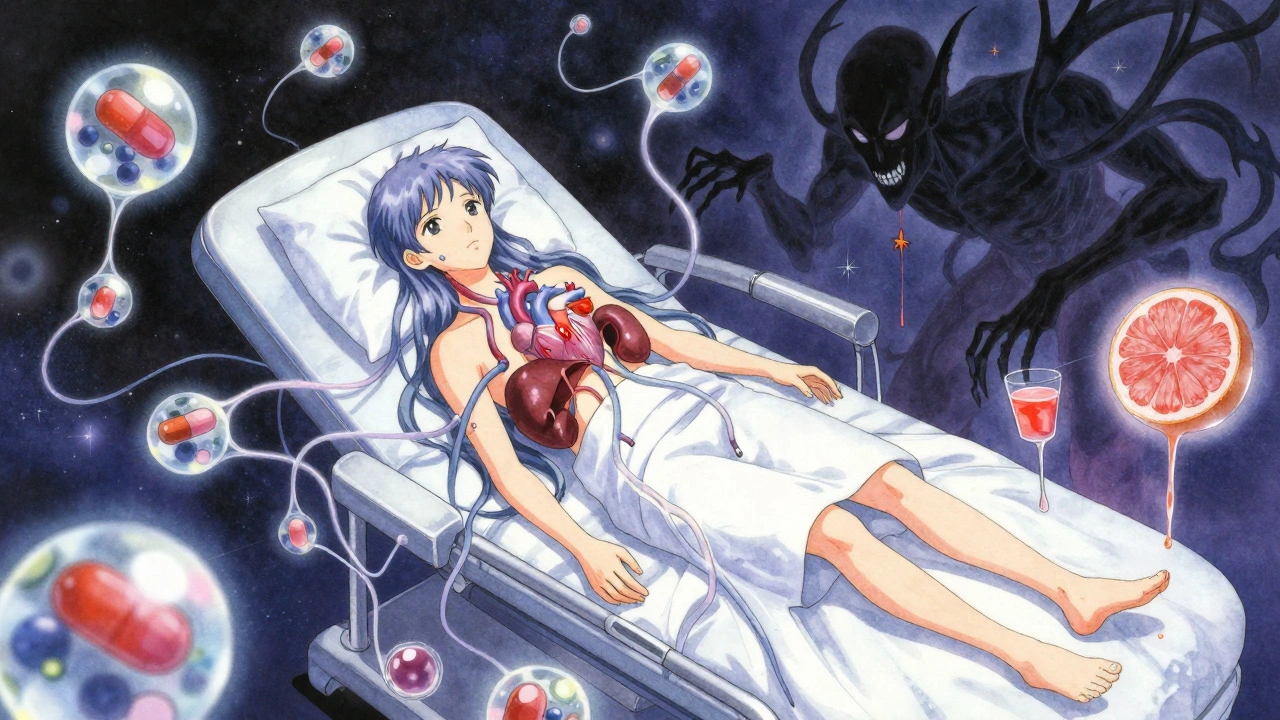
When someone is diagnosed with cancer, one of the first things they hear about is chemotherapy. It’s not just a treatment-it’s a powerful, complex system of drugs designed to kill fast-growing cancer cells. But here’s the part no one always talks about: chemotherapy doesn’t just affect cancer. It interacts with everything else in your body, including the other medications you’re taking. These interactions can make treatment safer-or dangerously risky.
How Chemotherapy Works-and Why It’s So Powerful
Chemotherapy isn’t one drug. It’s more than 100 different compounds, grouped by how they attack cancer. Anthracyclines like doxorubicin bind to DNA and stop cells from dividing. Alkylating agents like cyclophosphamide damage DNA directly. Antimetabolites like methotrexate trick cells into using fake building blocks so they can’t make new DNA. These drugs are chosen based on the type of cancer, how fast it grows, and where it’s spread. Most patients get combinations of these drugs, not just one. Why? Because cancer cells are sneaky. If you hit them with one drug, they might learn to resist it. But hit them with three at once, using different mechanisms, and it’s much harder for them to survive. Regimens like BEP (bleomycin, vinblastine, cisplatin) for testicular cancer or AC-T (doxorubicin, cyclophosphamide, paclitaxel) for breast cancer are standard because they’ve been proven to work better together. Dosing isn’t random. It’s calculated by body surface area-mg per square meter of skin. That’s because how your body processes the drug depends on your size. Oral chemo drugs, like capecitabine, are often given in fixed doses, but they come with their own risks: missing a pill or taking it at the wrong time can throw off the whole cycle.Why Drug Interactions Are a Big Deal in Cancer Care
Cancer patients aren’t taking just chemotherapy. They’re often on pain meds, antibiotics, heart drugs, antidepressants, even over-the-counter supplements. And each of those can change how chemotherapy works. Take St. John’s wort, a popular herbal remedy for mild depression. It speeds up the liver’s ability to break down drugs. If you’re on irinotecan-a chemo drug used for colon cancer-St. John’s wort can make it leave your body too fast. Result? The chemo doesn’t work as well. That’s not a minor risk. It can mean the difference between controlling the cancer and watching it grow. Or consider common antibiotics like clarithromycin. It slows down the liver enzyme CYP3A4, which many chemo drugs rely on to be cleared. If that enzyme is blocked, chemo builds up in your blood. That can turn a manageable side effect like nausea into life-threatening toxicity. Even something as simple as grapefruit juice can be dangerous. It interferes with the same enzyme. One glass with your morning chemo pill? That could raise drug levels by 30% or more. It’s not just grapefruit-pomelo, Seville oranges, and some dietary supplements do the same thing. And then there’s the flip side: drugs that make chemo less effective. Antacids like omeprazole can reduce the absorption of oral chemo drugs like erlotinib. If you’re taking it for lung cancer, this could mean your tumor doesn’t shrink as expected.Who’s at Highest Risk for Dangerous Interactions?
Not everyone is equally at risk. Older adults are more vulnerable. Their livers and kidneys don’t clear drugs as quickly. They’re also more likely to be on multiple medications for other conditions-diabetes, high blood pressure, arthritis. That’s a recipe for overlap. People with liver or kidney disease are another high-risk group. Chemo drugs are broken down and flushed out by these organs. If they’re not working well, the drugs stick around longer. That increases side effects like low blood counts, nerve damage, or heart strain. Patients on oral chemotherapy are especially at risk. Unlike IV chemo, which is given in a controlled setting, oral drugs are taken at home. It’s easy to forget a dose. Or take it with food that blocks absorption. Or accidentally mix it with something dangerous, like a new supplement bought online. And here’s a hidden issue: racial disparities. Studies show Black patients are 1.7 times more likely to have chemotherapy delayed due to low white blood cell counts. Why? Partly because they’re less likely to get preventive medications like growth factors. But also because drug interactions are harder to catch in under-resourced clinics where pharmacists aren’t always part of the care team.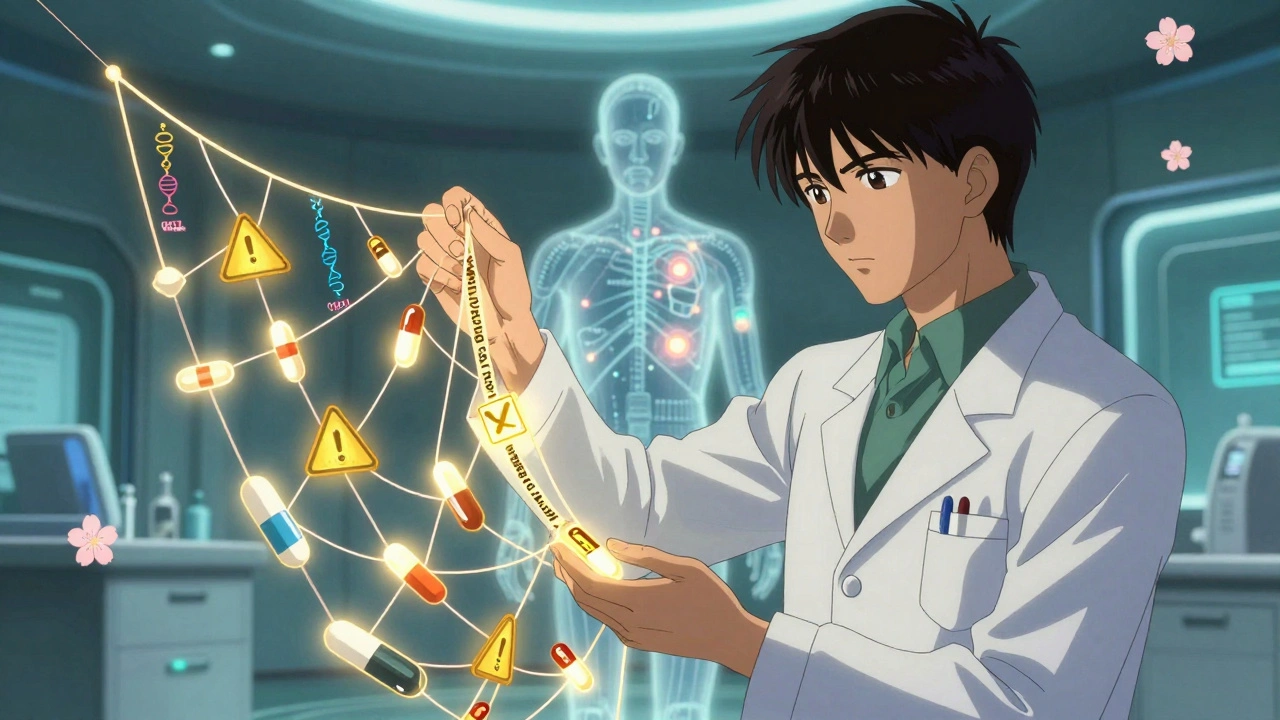
How Oncology Teams Prevent Dangerous Interactions
This isn’t something left to chance. Every major cancer center has a team that checks every single medication a patient takes-prescription, OTC, herbal, even vitamins. Board-certified oncology pharmacists are required at 98% of U.S. cancer centers. They don’t just count pills. They cross-reference every drug with chemotherapy using databases that flag over 10,000 possible interactions. If you’re on warfarin and start a new chemo drug that affects vitamin K metabolism, they’ll adjust your dose before you even take the first pill. Electronic prescribing systems now have built-in safety checks. If a doctor tries to order a chemo drug that conflicts with a patient’s current meds, the system blocks it and alerts the team. NCI-designated cancer centers use this in 92% of cases. Community clinics? Only 68%. That gap matters. Patients are also screened for supplements. Many don’t think of turmeric or fish oil as “medications.” But turmeric can interfere with blood clotting during surgery. Fish oil can increase bleeding risk during chemo. Oncology nurses ask about these things during every visit-not just at the start.Common Chemo Drugs and Their Top 3 Drug Interactions
- Doxorubicin (Adriamycin): Avoid with other heart-damaging drugs like trastuzumab (Herceptin) or even some antipsychotics. Combined, they can cause irreversible heart failure. Also, avoid with CYP3A4 inhibitors like ketoconazole-can raise levels dangerously.
- Paclitaxel (Taxol): Interacts with drugs metabolized by CYP2C8 and CYP3A4. Avoid with antifungals like fluconazole and seizure meds like phenytoin. Grapefruit juice? Big no.
- Irinotecan (Camptosar): Highly sensitive to CYP3A4 inducers like rifampin or St. John’s wort-can cut effectiveness. Also interacts with antacids, reducing absorption. UGT1A1 gene testing is required before use-some people metabolize it too slowly and get deadly low white counts.
- Methotrexate: Interacts with NSAIDs (like ibuprofen), which block kidney clearance. Also with penicillin antibiotics and proton pump inhibitors like omeprazole. Even folic acid supplements must be timed carefully-too much can block its effect.
- Oral chemo (e.g., capecitabine, temozolomide): Food affects absorption. Must be taken on empty stomach. Interacts with antacids, proton pump inhibitors, and even some probiotics. Non-adherence is a huge problem-up to 30% of patients miss doses.
What Patients Can Do to Stay Safe
You don’t need to be a doctor to protect yourself. Here’s what actually works:- Keep a running list of every medication, supplement, and herb you take-including doses and why you take them. Bring it to every appointment. Don’t assume your doctor knows.
- Ask before starting anything new. Even if it’s “just” a cold medicine or a sleep aid. Say: “Is this safe with my chemo?”
- Never stop or change your chemo dose without talking to your oncology team. Skipping doses to avoid side effects can make cancer harder to treat.
- Use one pharmacy if you can. That way, all your meds are in one place, and the pharmacist can catch conflicts.
- Report side effects early. Fatigue, nausea, numbness in fingers or toes-these aren’t just “normal.” They might be signs of a drug interaction.
The Future: Smarter, Safer Chemotherapy
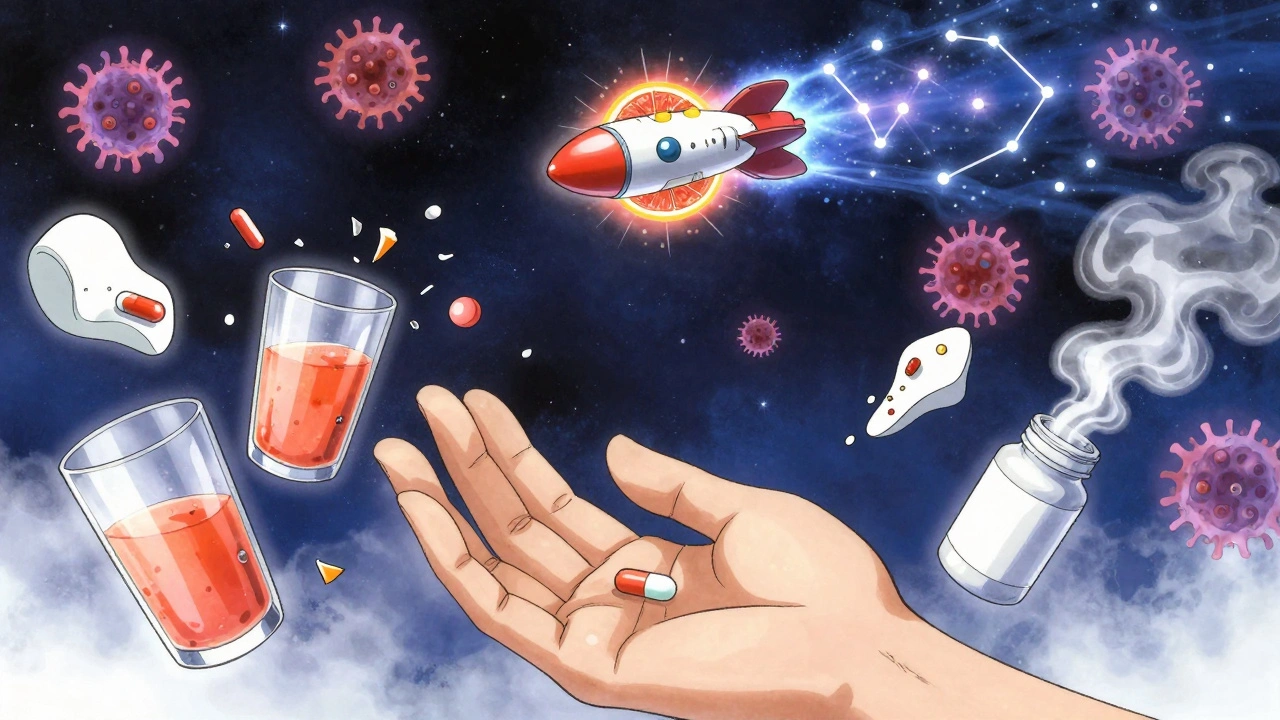
Newer drugs are making chemotherapy less messy. Antibody-drug conjugates like sacituzumab govitecan (Trodelvy) deliver chemo directly to cancer cells, like a guided missile. That means less damage to healthy tissue-and fewer interactions with other drugs. Genetic testing is becoming routine. Before giving irinotecan, doctors now test for UGT1A1 gene variants. If you’re a slow metabolizer, they lower the dose. Before tamoxifen, they check CYP2D6. If you can’t activate the drug, they switch you to something else. Even the way we decide how long to give chemo is changing. In colon cancer, doctors now use blood tests to check for leftover cancer DNA after surgery. If it’s gone, they stop chemo early. No more giving 6 months of treatment when 3 would’ve been enough. That reduces exposure, side effects, and chances of bad interactions.Bottom Line: Chemotherapy Still Matters-But It’s Not Alone
Chemotherapy isn’t going away. It’s still the backbone of curative treatment for most leukemias, lymphomas, and early-stage breast and colon cancers. But it’s no longer the only tool. It’s part of a team-alongside immunotherapy, targeted drugs, surgery, and radiation. The real win isn’t just killing cancer. It’s doing it without wrecking your body in the process. That means knowing what you’re taking, asking questions, and working with a team that checks every interaction like a puzzle piece that has to fit perfectly. If you or someone you love is on chemotherapy, remember this: you’re not alone. But you do need to be the most informed person in the room. Because when it comes to drug interactions, the smallest detail can change everything.Can I take over-the-counter painkillers while on chemotherapy?
It depends. Some chemo drugs, like methotrexate, are cleared by the kidneys. NSAIDs like ibuprofen or naproxen can block that process, leading to toxic buildup. Acetaminophen (Tylenol) is often safer, but even that can be risky if you’re on liver-toxic chemo like doxorubicin. Always check with your oncology team before taking anything-even a single pill.
Does grapefruit juice really interfere with chemotherapy?
Yes, and it’s not just grapefruit. Any citrus fruit with furanocoumarins-including pomelo, Seville oranges, and some tangelos-can block the liver enzyme CYP3A4. This enzyme breaks down many chemo drugs, including paclitaxel, docetaxel, and etoposide. If it’s blocked, drug levels spike, increasing side effects like low blood counts, nerve damage, or heart issues. Avoid these fruits entirely during treatment.
Why do I need genetic testing before some chemotherapy drugs?
Some people’s bodies process chemo drugs too slowly or too quickly because of their genes. For example, if you have a variant in the UGT1A1 gene, your body can’t break down irinotecan well. That can cause life-threatening drops in white blood cells. Testing before treatment lets doctors adjust your dose to match your biology. It’s not optional for some drugs-it’s standard care.
Can herbal supplements help with chemo side effects?
Most are risky. St. John’s wort can make chemo less effective. Turmeric can increase bleeding risk. Ginger may help nausea, but only in small, controlled doses-and even then, it can interfere with some drugs. Don’t assume “natural” means safe. Always tell your oncologist what supplements you’re taking. They can help you find evidence-backed alternatives.
What should I do if I miss a dose of oral chemotherapy?
Don’t double up. Call your oncology team right away. Missing a dose can reduce how well the drug works, but taking two at once can be dangerous. Your team will tell you whether to skip it and wait for the next scheduled dose, or adjust timing based on the specific drug. Never guess.
How do I know if my chemotherapy is interacting with another drug?
Signs include sudden worsening of side effects-like extreme fatigue, unexplained bruising, numbness in hands or feet, chest pain, or unusual nausea. Also, if your cancer isn’t responding as expected, or if blood tests show abnormal liver or kidney function. Always report changes to your care team. They’ll check your medication list and run tests if needed.
Lara Tobin
December 13, 2025 AT 04:45This post hit me right in the feels. My mom went through chemo last year, and I had no idea how many everyday things could mess with her treatment. I thought grapefruit was just bad for statins-turns out it’s a silent saboteur in cancer care too. Thanks for laying this out so clearly. I’m printing this and taping it to the fridge.
Love you, Mom.
❤️
Keasha Trawick
December 14, 2025 AT 03:08Okay, let’s talk about the CYP3A4 enzyme like it’s the MVP of pharmacokinetics-because it is. This cytochrome P450 isoform is the bouncer at the club of drug metabolism, and if you bring in grapefruit juice or St. John’s wort, it’s gonna throw you out so hard your chemo levels crash or skyrocket. It’s not just ‘avoid citrus’-it’s a full-on biochemical turf war. And don’t get me started on UGT1A1 polymorphisms-those SNPs are the reason some folks get neutropenia like it’s a gift from the pharmacogenomic gods. This isn’t medicine. This is precision warfare at the cellular level.
Also, why do we still let people buy ‘natural’ supplements without FDA scrutiny? The regulatory gap here is criminal.
Alvin Montanez
December 15, 2025 AT 13:48Look, I’ve been in oncology for 22 years, and I’ve seen too many patients die because they thought ‘natural’ meant ‘safe.’ St. John’s wort? That’s not herbal tea-that’s a metabolic grenade. And people wonder why their cancer progresses. It’s not the chemo failing-it’s them taking turmeric capsules because some influencer said it ‘reduces inflammation.’
And let’s be real: the idea that community clinics can’t afford pharmacists? That’s not a funding issue-it’s a moral failure. We don’t let pilots fly without checklists. Why do we let patients take chemo without a pharmacist reviewing every pill, drop, and supplement? This isn’t rocket science-it’s basic safety protocol. And if you’re in a state that doesn’t mandate oncology pharmacy review, you’re playing Russian roulette with your life.
Also, the racial disparity data? It’s not ‘systemic bias’-it’s neglect dressed up as bureaucracy. Black patients aren’t getting growth factors because the system doesn’t care enough to fund them. That’s not luck. That’s policy.
And yes, I’m mad. You should be too.
Deborah Andrich
December 17, 2025 AT 12:44I’m a nurse and I see this every week. Patients come in with 17 different bottles of supplements and no idea what’s in them. One woman took fish oil because her yoga teacher said it ‘cleansed the blood’-and ended up in the ER with bleeding after her chemo session. We didn’t even know she was taking it until her platelets dropped.
Just ask. Just say ‘I’m on chemo’ and then ask before you take anything. Even Advil. Even melatonin. Even ginger tea.
It’s not complicated. It’s just not taught.
And yes, I’m yelling. Because someone needs to.
Scott Butler
December 19, 2025 AT 12:10Why are we even letting these herbal nonsense products exist? In Germany, they regulate this stuff like pharmaceuticals. Here? You can buy St. John’s wort next to candy bars. This isn’t freedom-it’s negligence. And the fact that we’re still using body surface area for dosing in 2024? That’s 1980s thinking. We’ve got AI models that can predict metabolism better than a spreadsheet. Stop clinging to outdated methods because ‘it’s always been done this way.’
Also, the U.S. is the only country where you need a PhD to understand your own chemo regimen. Fix the system, not just the patient.
Emma Sbarge
December 21, 2025 AT 07:45My brother was on capecitabine and missed two doses because he thought skipping it would help with the hand-foot syndrome. He didn’t tell anyone. Three weeks later his tumor markers spiked. He’s in remission now but only because they caught it early. This isn’t just about interactions-it’s about trust. Patients are terrified to ask questions because they don’t want to seem ‘difficult.’
We need to normalize saying ‘I don’t know’ and ‘Can you explain this again?’
And yes, I’m still mad about the grapefruit juice. I threw out my whole citrus basket.
Richard Ayres
December 22, 2025 AT 22:50This is one of the most comprehensive, clear, and compassionate summaries of chemo interactions I’ve ever read. Thank you for highlighting not just the science but the human side-the fear, the confusion, the silent gaps in care. The part about ongoing risks after treatment? That’s rarely discussed. Many assume ‘done with chemo’ means ‘done with danger.’ It’s not.
As someone who’s watched a loved one navigate this, I wish every primary care doctor, pharmacist, and even wellness coach had to read this before they gave advice. We need to shift from ‘take this pill’ to ‘here’s why this matters.’
And yes, genetic testing should be standard, not a luxury. It’s not just personalized medicine-it’s personalized survival.
Donna Hammond
December 24, 2025 AT 02:31Let’s get one thing straight: if you’re on chemotherapy, you are not a patient. You are a complex, dynamic system under siege. Every drug you take-prescribed, over-the-counter, or ‘natural’-is a variable in a high-stakes equation. The body doesn’t care if you call it a supplement. It only cares if it binds to CYP3A4 or inhibits UGT1A1.
Here’s what you do: make a physical list. Write down every pill, drop, tea, and capsule. Include the dose, the time you take it, and why. Bring it to every appointment. Don’t hand it to the nurse. Hand it to the oncologist. Say, ‘I need you to check this.’
And if your clinic doesn’t have an oncology pharmacist on staff? Ask why. Push. Demand. You’re not being difficult-you’re being alive.
Also: grapefruit juice is not a breakfast. It’s a weapon. Put it down. Now.
You’ve got this. But don’t do it alone. Let your team help you win.