

When you think about losing weight, you probably imagine counting calories, hitting the gym, or cutting out sugar. But what if the key to managing your weight is hiding inside your gut? Trillions of bacteria, viruses, and fungi live in your intestines - collectively called your gut microbiota - and they’re quietly shaping how your body stores fat, processes food, and responds to hunger. Over the last two decades, science has shown that people with obesity don’t just eat more - their gut microbes work differently than those in lean individuals. And that’s where probiotics come in.
What’s Really Going on in Your Gut?
Your gut isn’t just a tube for digesting food. It’s a bustling ecosystem. In a healthy adult, it holds about 1-2 kilograms of microbes - more cells than your body has human cells. These microbes help break down fiber, produce vitamins, train your immune system, and even send signals to your brain about when you’re full. In obesity, this ecosystem gets out of balance. Studies since the mid-2000s have found that obese individuals tend to have more Firmicutes and fewer Bacteroidetes - two major groups of gut bacteria. One 2023 study in Brazilian adolescents showed a Firmicutes-to-Bacteroidetes ratio of 2.3:1 in obese teens, compared to 1.7:1 in lean peers. That difference might not sound like much, but it has real metabolic consequences. These microbial shifts make your body more efficient at extracting energy from food. In obese people, gut bacteria can pull an extra 2-10% of calories from dietary fiber that would normally pass through undigested. That’s like eating an extra 100-200 calories a day without changing your diet. Over time, that adds up. Worse, an imbalanced gut can leak. When the gut lining becomes more permeable - a condition called "leaky gut" - bacterial toxins like lipopolysaccharides (LPS) slip into the bloodstream. This triggers low-grade inflammation, which is directly linked to insulin resistance, fat storage, and type 2 diabetes. Obese individuals show 40-60% higher levels of zonulin, a protein that opens the gaps between gut cells. It’s not just about what you eat - it’s about how your gut handles it.Probiotics: The Microbial Fix?
Probiotics are live bacteria that, when taken in the right amount, can help restore balance to your gut. Not all probiotics are the same. Some strains have been studied more than others for weight management. The most promising strains include:- Lactobacillus gasseri SBT2055 - shown in a 2022 Japanese trial to reduce visceral fat by 7.9% in 12 weeks
- Lactobacillus rhamnosus GG - linked to modest weight loss and improved satiety
- Bifidobacterium longum - associated with lower inflammation and better insulin sensitivity
- Multi-strain blends - often more effective than single strains for overall metabolic health
Synbiotics: Probiotics + Prebiotics = Better Results
Probiotics alone don’t always survive long enough to make a difference. That’s where synbiotics come in - combinations of probiotics and prebiotics (fiber that feeds good bacteria). A 2025 review of 15 trials showed synbiotics led to 37% more weight loss than probiotics alone. Why? Prebiotics like inulin, FOS, and galactooligosaccharides help probiotics colonize and thrive. They also boost production of short-chain fatty acids (SCFAs) like butyrate, which reduce inflammation and improve insulin sensitivity. Obese individuals typically have 15-20% lower butyrate levels. Synbiotics can raise them by 15-25%. That’s not just a lab number - it’s a real metabolic upgrade. Butyrate tells your body to burn fat instead of storing it. It also helps your gut lining stay tight, stopping toxins from leaking into your blood.
Why Do Results Vary So Much?
Not everyone responds to probiotics. In fact, 25-55% of people see little to no effect. Why? First, your baseline microbiome matters. A 2024 review found probiotics worked 22% better in Asian populations than in Western ones. That’s likely because diet, genetics, and early-life microbial exposure shape your gut differently. Someone who eats a lot of fermented foods and fiber may already have a healthy microbiome - adding probiotics won’t do much. Second, strain specificity is everything. Out of every 100 probiotic strains tested, 38% show zero effect on weight. A probiotic that works for one person might be useless for another. That’s why many experts now say we need personalized probiotics - not one-size-fits-all supplements. Third, timing and duration matter. Most studies last only 8-12 weeks. But your gut doesn’t change overnight. And once you stop taking probiotics, 60-80% of the benefits fade within 8-12 weeks. That’s because the new bacteria don’t always stick around. They need ongoing support - from diet, fiber, and lifestyle.What Else Do Probiotics Do for Metabolic Health?
Weight loss isn’t the only goal. Many people with obesity struggle with high cholesterol, fatty liver, and insulin resistance. Probiotics help here too. In a 2017 study, overweight adults who took a high-dose probiotic blend (10^10 CFU/day) with omega-3s for 12 weeks saw:- 12.3% drop in total cholesterol
- 18.7% improvement in insulin sensitivity (HOMA-IR)
- 24.5% reduction in CRP, a key inflammation marker
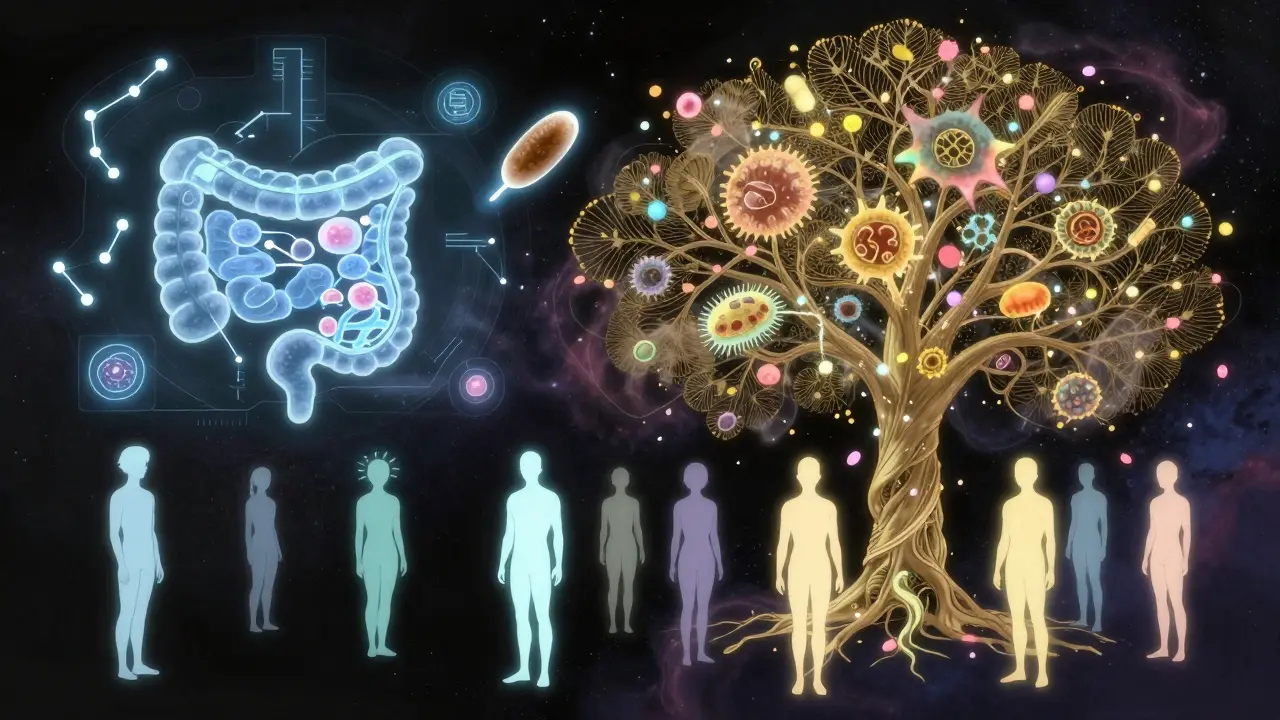
The Hard Truth: Probiotics Aren’t a Magic Pill
Let’s be clear: probiotics won’t turn you into a different person overnight. The 2025 Nature meta-analysis concluded that oral probiotics may have no significant effect on BMI in overweight people. That’s because many studies are too short, too small, or use the wrong strains. Experts agree: we need larger, longer trials. Dr. Chen Fei from Frontiers says we need multicenter, long-term studies to find the right strains, doses, and durations. Dr. Susan S. Pereira warns that timing - when you take them, with or without food - might be just as important as what you take. And here’s the biggest gap: most research focuses on weight and blood markers. Few studies track whether the probiotics actually changed the gut microbiome long-term. If the bacteria don’t colonize, the benefits won’t last.What Should You Do?
If you’re considering probiotics for weight or metabolic health:- Choose a product with specific strains like L. gasseri, L. rhamnosus, or B. longum
- Look for at least 10 billion CFU per dose
- Consider synbiotics - they work better than probiotics alone
- Take them consistently for at least 12 weeks
- Pair them with high-fiber foods (oats, beans, lentils, vegetables, fruits)
- Don’t expect miracles - combine them with a healthy diet and movement
The Future: Personalized Gut Medicine
The next frontier isn’t just taking probiotics - it’s knowing which ones you need. Research groups are building algorithms that predict your response based on your baseline microbiome. In pilot studies from 2024, these tools predicted success with 65-75% accuracy. Imagine a future where your doctor runs a simple stool test, sees your microbial profile, and prescribes a custom probiotic blend - not just for weight loss, but to fix your insulin resistance, lower your cholesterol, and calm your inflammation. That future is closer than you think. For now, the best approach is simple: eat more fiber, reduce processed foods, get enough sleep, manage stress, and consider a high-quality, strain-specific probiotic if you’re struggling with stubborn weight or metabolic issues. Your gut isn’t just part of your body - it’s a partner in your health.Can probiotics help me lose belly fat?
Yes. Studies show that certain probiotic strains, especially Lactobacillus gasseri SBT2055, can reduce visceral fat - the deep belly fat linked to heart disease and diabetes. In one 12-week trial, participants lost nearly 8% of their visceral fat without changing their diet or exercise. Probiotics don’t always change your overall weight, but they can shift fat distribution in a healthier way.
How long does it take for probiotics to work for weight loss?
Most studies show measurable changes after 8-12 weeks. You might notice less bloating or improved digestion sooner, but fat loss and metabolic improvements take time. Don’t expect results in 2 weeks. Consistency matters more than dosage. Take the probiotic daily for at least 3 months to see if it works for you.
Are all probiotics the same for weight loss?
No. Different strains have different effects. Lactobacillus gasseri targets belly fat. Bifidobacterium longum reduces inflammation. Lactobacillus rhamnosus may help with appetite control. Many supplements mix strains, but if the label doesn’t list specific names, you can’t know what you’re getting. Stick to products with clearly labeled strains and CFU counts.
Do I need to take probiotics forever?
Not necessarily. But if you stop, benefits often fade within 8-12 weeks. The best approach is to use probiotics as a tool to reset your gut, then maintain results with a high-fiber diet rich in vegetables, legumes, and whole grains. These foods feed your good bacteria naturally. Think of probiotics as a jumpstart, not a lifelong crutch.
Can I get enough probiotics from yogurt or fermented foods?
Yogurt, kefir, sauerkraut, and kimchi contain beneficial bacteria, but the strains and doses vary widely. Most commercial yogurts have too few live cultures to impact weight. For targeted metabolic benefits, supplements with proven strains and high CFUs are more reliable. That said, fermented foods are still great for overall gut health - just don’t rely on them alone for weight loss.
Are there side effects from taking probiotics?
Most people tolerate probiotics well. Some report mild bloating or gas in the first few days - that usually passes. People with weakened immune systems or severe illnesses should consult a doctor first. Probiotics are generally safe, but quality matters. Choose reputable brands that test for potency and purity.
Cecelia Alta
January 12, 2026 AT 03:41Okay but let’s be real - if probiotics were that magical, why are we still seeing obesity rates climb? I’ve taken every fancy supplement under the sun and my belly fat just laughs at me. I mean, I’m not even eating junk food anymore and I still look like I swallowed a beach ball. This whole thing feels like a $40 scam wrapped in a lab coat.
laura manning
January 13, 2026 AT 15:55It is imperative to note that the meta-analytic findings cited herein demonstrate a statistically insignificant change in BMI (p > 0.05), despite minor reductions in waist circumference. The effect size for visceral fat reduction (Cohen’s d = 0.31) is clinically marginal, and the heterogeneity across studies (I² = 78%) suggests profound methodological inconsistency. Furthermore, the absence of longitudinal microbiome sequencing in 92% of trials renders causal inference untenable.
Jay Powers
January 14, 2026 AT 14:50I think the real takeaway here is that our guts are way more complex than we give them credit for. I tried a probiotic for three months and didn’t lose weight but I stopped feeling bloated all the time and my digestion went from chaotic to calm. Maybe it’s not about the scale. Maybe it’s about feeling better day to day. I’m not gonna quit just because the numbers didn’t change.
Lawrence Jung
January 16, 2026 AT 06:53Probiotics are just the latest spiritual hack for the biohacker class. We’ve outsourced our health to pills while ignoring the root: our disconnection from nature, our processed diets, our chronic stress. The gut is a mirror. Fix your life first. The bacteria will follow. You can’t supplement your way out of modernity
beth cordell
January 17, 2026 AT 16:53OMG I tried L. gasseri and my belly fat literally melted 😭 I was skeptical but after 10 weeks I went from size 12 to 8 and my jeans fit like they used to in college 🙌 I eat a ton of kimchi now and my husband thinks I’m a weirdo but I don’t care 💪 #GutRevolution
Rinky Tandon
January 18, 2026 AT 22:20The data is fundamentally flawed because Western populations have been exposed to excessive antibiotics since childhood, which permanently dysregulates the microbiome. Indian populations, with traditional fermented diets and lower antibiotic exposure, show higher baseline Bacteroidetes. Therefore, probiotic efficacy is not universal - it is culturally and epigenetically contingent. This is not medicine - it is colonial biology.
Ben Kono
January 20, 2026 AT 18:19So you're telling me I need to spend $60 a month on pills and eat a ton of beans just to lose a few inches? What about people who can't afford that? Or don't have time? This feels like rich people’s medicine disguised as science
Cassie Widders
January 21, 2026 AT 07:04I took a probiotic for a month. Didn’t lose weight. But I didn’t get sick once. So I guess it’s working? Not sure. But I’m not stopping.
jordan shiyangeni
January 22, 2026 AT 14:13It’s pathetic how easily people buy into this nonsense. You think bacteria are going to fix the fact that you sit on your ass all day and eat microwave meals? Probiotics are a placebo for people too lazy to cook a vegetable. You want to lose weight? Eat less. Move more. Stop outsourcing your discipline to a pill. The science is there - you’re just too weak to follow it.
Abner San Diego
January 23, 2026 AT 12:44Probiotics? In America? That’s a joke. We’ve got Big Pharma pushing these things because they know we’re too dumb to eat real food. Meanwhile in Japan, they’ve been fermenting for centuries and they don’t need to buy $50 bottles of goo. We’re a nation of consumers, not humans. Wake up.
Eileen Reilly
January 25, 2026 AT 05:20ok so i bought this probiotic that said 50 billion cfu but the bottle said ‘stored at room temp’?? like bro if it’s alive how’s it survive in my cabinet?? i think i got scammed. also i think it made me gassy. not worth it. also why is everything labeled ‘clinical grade’ now??
steve ker
January 26, 2026 AT 17:54Probiotics. How quaint. In my village in Nigeria, we use fermented millet and bitter leaf. No pills. No labels. Just food. You don’t need science to fix what your ancestors knew. Modernity is the disease.
Lauren Warner
January 28, 2026 AT 09:43Let me guess - you’re the type who reads a 2025 meta-analysis and thinks it’s gospel. Meanwhile, the gut microbiome is still a black box. We’ve barely scratched the surface. You’re acting like we’ve solved cancer with a capsule. This isn’t medicine. It’s marketing dressed in peer-reviewed jargon.
Craig Wright
January 29, 2026 AT 07:30While the article presents an engaging narrative, the lack of control for confounding variables - such as dietary intake, physical activity, and sleep hygiene - severely undermines the causal claims. Furthermore, the reliance on self-reported dietary data in the cited trials introduces significant measurement error. One cannot isolate the effect of probiotics without accounting for the broader lifestyle context.
Lelia Battle
January 29, 2026 AT 12:40There’s something beautiful about the idea that we’re not alone in our bodies - that trillions of tiny beings are working with us, not against us. Maybe the answer isn’t to conquer our gut, but to listen to it. To feed it, not just with food, but with patience, rest, and quiet. Probiotics might be a bridge - not a destination.