
Every year, millions of Americans save hundreds of dollars by switching to generic drugs. But not all pills that look like generics are real. Some are dangerous fakes-made in unregulated labs, filled with the wrong chemicals, or missing active ingredients entirely. If you’ve ever looked at your prescription bottle and thought, "This doesn’t look right," you’re not alone. The good news? You don’t need a pharmacy degree to spot a legitimate generic drug. You just need to know what to look for.
Legitimate generics look different from brand names-but that’s normal
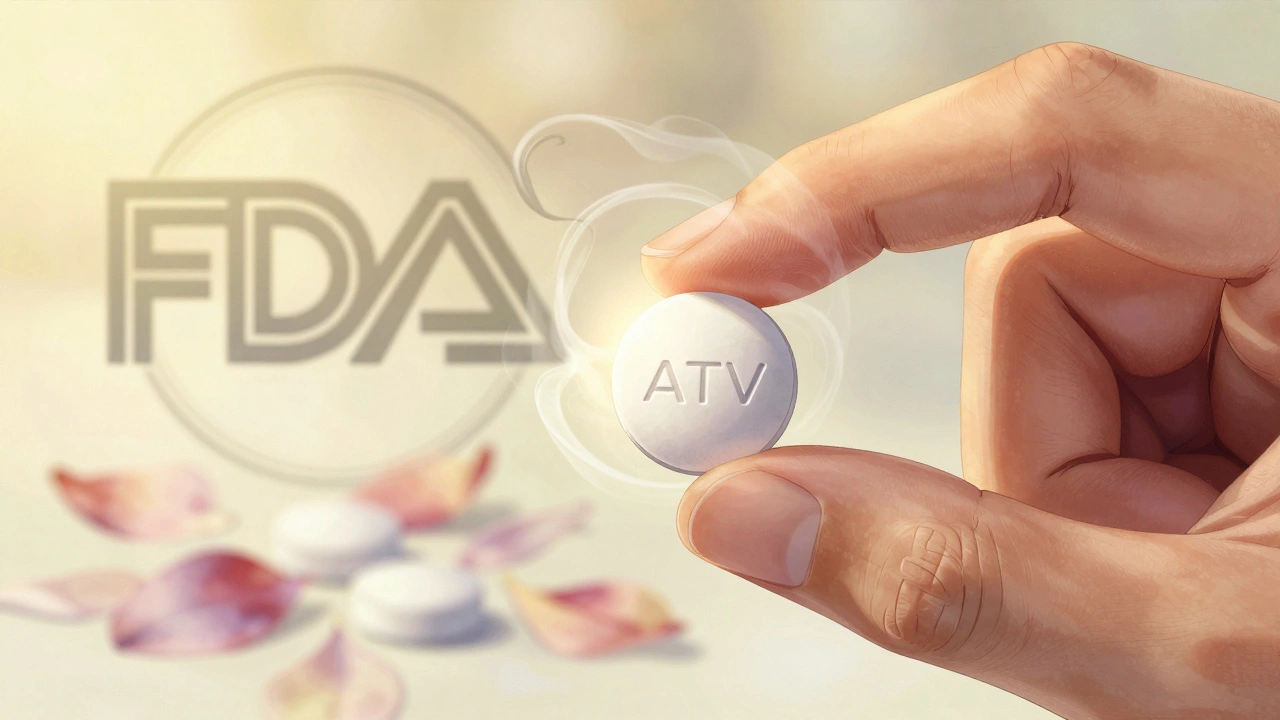
It’s common to be confused when your generic pill looks nothing like the brand-name version you used to take. That’s not a red flag. It’s the law. U.S. trademark rules prevent generic manufacturers from copying the exact color, shape, or imprint of brand-name drugs. So a blue oval pill might become a white round one. A capsule with "LIPITOR" on it might now be a red oval with "ATV" stamped on it. That doesn’t mean it’s fake. It just means it’s legal.
What does matter is the active ingredient. If your generic lisinopril contains the same amount of lisinopril as the brand-name version, it will work the same way. The FDA requires generics to deliver the same amount of medicine into your bloodstream within a narrow range-80% to 125% of the brand-name drug’s effect. Studies show that 98.7% of approved generics meet this standard. In fact, a 2021 JAMA study found that generics matched brand-name drugs almost exactly in how quickly and completely they were absorbed.
Check the packaging like a pro
Counterfeiters are getting better. Some fake pills come in bottles that look real. But there are signs even a non-expert can spot.
- Label clarity: Legitimate labels are printed sharply, with no smudges, crooked text, or faded ink. If the font looks off or the manufacturer’s name is misspelled (like "Teva" written as "Teva"), walk away.
- Required info: Every legal prescription container must show: the drug name, strength, lot number, expiration date, and the pharmacy’s name and address. If any of that’s missing, it’s not legitimate.
- Foreign language: If you’re in the U.S. and the label has Spanish, Chinese, or Russian text, that’s a major red flag. Imported drugs without FDA approval are illegal and unsafe.
- Container quality: Real bottles are sturdy. Caps seal properly. Counterfeit drugs often come in flimsy plastic containers, or worse-plastic bags labeled "generic" with no pharmacy info. The California Board of Pharmacy found that 63% of counterfeit reports involved pills in baggies.
Examine the pill itself
Take the pill out and look at it under good light. You’re not looking for perfection-you’re looking for consistency.
- Imprint: Every FDA-approved tablet or capsule has an imprint-a letter, number, or symbol pressed into it. This helps identify the drug and manufacturer. If the imprint is faint, uneven, or missing, it’s likely fake.
- Texture: Legitimate pills are firm. They don’t crumble when you press them lightly. If it feels powdery, chalky, or breaks apart easily, don’t take it.
- Color and coating: Color variations are normal between brands and generics. But if the coating looks bubbled, cracked, or has white crystals on the surface, that’s a sign of moisture damage or contamination.
- Odor: Most pills have no smell. If yours smells like vinegar, chemicals, or mold, stop using it immediately.

Verify the pharmacy-not the pill
The biggest risk isn’t your local CVS or Walgreens. It’s online pharmacies that look real but aren’t. The National Association of Boards of Pharmacy (NABP) found that 96% of websites selling drugs without a prescription are selling counterfeit products.
Here’s how to protect yourself:
- Only buy from pharmacies that require a prescription. No exceptions.
- Look for the .pharmacy seal on the website. That’s a verified mark from NABP. Click it to confirm the site is listed.
- Check if the pharmacy is licensed in your state. Every state board of pharmacy has a public lookup tool.
- Avoid websites that offer "discounted" brand-name drugs without a prescription. If it seems too good to be true, it is.
Legitimate pharmacies also use tracking systems. Since 2023, every prescription drug sold in the U.S. must have a unique serial number encoded in a 2D barcode. Companies like Teva and Viatris have already implemented this. You can use apps like MediSafe to scan the code and verify the drug’s origin. If the app says "not found" or "unverified," don’t take it.
Use the FDA’s free tools
The FDA doesn’t just regulate generics-they give you the tools to check them yourself.
- The Orange Book: Go to the FDA’s website and search for your drug. You’ll see a list of all approved generics, their manufacturers, and their therapeutic equivalence ratings. If your generic isn’t listed, it’s not FDA-approved.
- BeSafeRx wallet card: Download and print the FDA’s free card. It has 12 quick-check points for spotting fake drugs. Keep it in your wallet or phone case.
- Drug Supply Chain Security Act (DSCSA): By 2025, every drug package will have a digital trail you can trace. For now, if you’re concerned, ask your pharmacist to show you the lot number and confirm it hasn’t been recalled.
What to do if something seems wrong
If you notice anything odd-unusual side effects, pills that don’t work like they used to, or packaging that looks off-don’t ignore it.
- Stop taking the medication.
- Call your pharmacist and ask them to verify the batch.
- Report it to the FDA’s MedWatch program. You can do it online in under 5 minutes. In 2022, over 1,200 counterfeit drug reports came in through this system.
- Keep the pill and packaging. If it’s a counterfeit, the FDA may need it as evidence.
People who report suspicious drugs help protect others. One report can lead to a nationwide recall.

Real-world examples: What went wrong
One user on Reddit shared that after switching to a new generic version of metformin, they started feeling dizzy and nauseous. They checked the imprint and realized it was different from their previous refill. When they called the pharmacy, they found out the new batch came from an unverified supplier. The pharmacist replaced it with a verified generic-and the symptoms disappeared.
Another case involved a man who bought "Viagra" online for $2 a pill. He took it for months. Then he stopped seeing results. He brought a pill to his doctor, who tested it. It contained no sildenafil. Instead, it had a cheap chemical used in industrial cleaners. He ended up in the ER.
These aren’t rare. The WHO estimates 1 in 10 medical products in low- and middle-income countries are fake. In the U.S., it’s rarer-but still happening. Most counterfeit drugs come from illegal online sources, not local pharmacies.
Why generics are safe when they’re real
Let’s be clear: the vast majority of generic drugs are safe, effective, and rigorously tested. The FDA inspects over 2,500 generic drug manufacturing sites every year. They test more than 1,000 samples annually. The approval process for generics is strict. In 2022, 98.4% of applications met quality standards on the first try.
Generic manufacturers like Teva, Sandoz, and Mylan (now Viatris) are among the most regulated companies in the world. They’re held to the same standards as Pfizer or Merck. The only difference? They don’t spend billions on advertising. That’s why their prices are lower.
Legitimate generics save the U.S. healthcare system $373 billion a year. That’s money that goes back into hospitals, doctors’ offices, and your pocket.
Final checklist: Your 60-second verification routine
Before you leave the pharmacy, run through this quick checklist:
- Is the pharmacy licensed? Look for the .pharmacy seal or ask if they’re accredited by NABP.
- Is there a prescription? No prescription? No sale.
- Does the label have all required info? Drug name, strength, lot number, expiration, pharmacy details.
- Does the pill match the imprint? Compare it to the FDA Orange Book or a trusted app.
- Does it look and feel right? No crumbling, no weird smells, no uneven coloring.
- Do you feel confident? If something feels off, ask for another batch or go to a different pharmacy.
You don’t need to be a scientist to protect yourself. You just need to be careful. Generic drugs are one of the most reliable parts of modern medicine-when you get the real ones.
Are generic drugs as effective as brand-name drugs?
Yes, when they’re approved by the FDA. Generic drugs must prove they deliver the same amount of active ingredient into your bloodstream as the brand-name version, within a strict range (80-125%). Studies show most generics match brand-name drugs almost exactly in how they work. The FDA requires this before approving any generic.
Why do generic pills look different from brand-name ones?
U.S. trademark laws prevent generic manufacturers from copying the exact appearance of brand-name drugs. That means color, shape, and imprint can be different-but the active ingredient must be identical. The differences are intentional and legal. If a pill looks exactly like a brand-name drug, it’s likely counterfeit.
Can I trust online pharmacies that sell generic drugs?
Only if they’re verified. Look for the .pharmacy seal from NABP. Avoid any site that sells drugs without a prescription, offers "miracle" discounts, or doesn’t list a physical address. The FDA says 96% of online pharmacies selling drugs without a prescription are illegal and often sell counterfeit products.
What should I do if I think I got a fake generic drug?
Stop taking it immediately. Call your pharmacist and ask them to check the lot number. Then report it to the FDA’s MedWatch program. You can file a report online in under five minutes. Keep the pill and packaging-they may be needed for investigation. Reporting fake drugs helps protect others.
Is it safe to switch between different generic brands?
Yes. All FDA-approved generics must meet the same bioequivalence standards. Switching between different generic manufacturers (like Teva to Sandoz) is safe and common. If you notice a change in how you feel, it could be due to inactive ingredients (like fillers), not the active drug. Talk to your doctor or pharmacist if you have concerns.
How can I check if my generic drug is FDA-approved?
Go to the FDA’s Orange Book database online. Search by the drug name or active ingredient. You’ll see a list of all approved generics, their manufacturers, and their therapeutic equivalence ratings. If your drug isn’t listed, it’s not FDA-approved. You can also ask your pharmacist to confirm the approval status.
Victoria Graci
December 1, 2025 AT 20:03It’s wild how we’ve been conditioned to equate appearance with authenticity-like if a pill doesn’t look like the TV ad, it’s a scam. But the truth? The FDA doesn’t care about aesthetics, only absorption. I once stared at my generic metformin for ten minutes thinking it was a placebo because it was white and round instead of blue and oval. Turned out, my body just needed time to adjust. Funny how our brains invent danger where there’s just regulation.
Saravanan Sathyanandha
December 3, 2025 AT 19:30In India, we know this all too well-counterfeit meds are a silent epidemic. But here’s the thing: even in places with weak regulation, the *principles* are universal. Check the imprint, verify the batch, trust the pharmacist over the website. I once saw a man buy ‘antibiotics’ from a street vendor because they cost $0.50. He ended up with liver damage. The science doesn’t lie-bioequivalence is real. But human greed? That’s always been the loophole.
alaa ismail
December 5, 2025 AT 12:05Bro, I just scan the barcode with my pharmacy app and boom-verified. No more stress. If it says ‘unverified,’ I walk out. Simple as that. Also, if the bottle smells like a chemistry lab, I’m not taking it. No cap.
ruiqing Jane
December 6, 2025 AT 01:47For those who’ve experienced adverse effects after switching generics: please know this isn’t your fault. Inactive ingredients-fillers, dyes, binders-can trigger sensitivities even when the active compound is identical. I’ve seen patients with histamine intolerance react to red dye in one generic but not another. Always document changes, report them, and advocate for a switch back to a previously tolerated formulation. Your body’s feedback is data, not drama.
Carolyn Woodard
December 7, 2025 AT 16:02There’s an epistemological tension here, isn’t there? We’re told to trust institutional authority-the FDA, the pharmacy, the manufacturer-yet we’re also told to distrust the very systems we rely on because of systemic failures. The Orange Book is a beautiful artifact of regulatory transparency, but its accessibility remains gated by literacy, digital privilege, and cognitive load. How many elderly patients, navigating polypharmacy with declining vision and memory, are expected to cross-reference imprint codes? The burden of verification shouldn’t fall on the vulnerable. The system must be designed for them, not the other way around.
Allan maniero
December 9, 2025 AT 08:17I’ve worked in a pharmacy for 18 years, and I can tell you-99% of the time, the issue isn’t the drug. It’s the packaging. One time, a customer brought in a bottle of lisinopril that looked fine, but the cap had a tiny crack near the threads. We opened it, and the pills inside were stuck together in clumps-moisture damage from improper storage. The label was perfect, the imprint was clear, but the integrity was compromised. That’s why I always say: trust your gut, but verify with your pharmacist. They’re not just dispensing pills-they’re the last line of defense.
Anthony Breakspear
December 9, 2025 AT 20:10Man, I used to be paranoid about generics until I started checking the Orange Book. Now I actively ask for the cheapest one they’ve got. I’ve switched between Teva, Sandoz, and Mylan-no difference in how I feel. The only time I had an issue? Some batch had a weird chalky taste. Called the pharmacy, they swapped it out. No drama. Bottom line: if your pharmacist is legit, you’re golden. And if they’re not? Find a new one. Your health ain’t a gamble.
Zoe Bray
December 11, 2025 AT 10:33It is imperative to underscore that the Drug Supply Chain Security Act (DSCSA) represents a paradigmatic shift in pharmaceutical traceability. The implementation of product tracing via serialized, interoperable systems-coupled with the mandated verification of product identifiers at the package level-constitutes a non-negotiable safeguard against diversion and counterfeiting. Stakeholders, including consumers, must be educated to recognize the presence of 2D data matrix barcodes as a proximal indicator of regulatory compliance. Failure to demand such verification constitutes a passive complicity in the erosion of pharmaceutical integrity.
Girish Padia
December 11, 2025 AT 13:38Ugh. People make this sound like a mystery. If you’re buying from CVS or Walgreens, you’re fine. If you’re buying from some sketchy website? You’re an idiot. Stop blaming the system. You chose to be cheap. Now deal with it.
Saket Modi
December 12, 2025 AT 12:51bro why are you even worried?? 😅 just take the pill and chill. if you feel weird, stop. if you don’t, you’re fine. i’ve been taking generics for 10 years and i’m still alive. 🤷♂️