

What Happens to Your Skin During Radiation Therapy
When you get radiation therapy, the beam doesn’t just target cancer cells-it also hits healthy skin along the way. About 95% of people who undergo external beam radiation develop some kind of skin reaction. It’s not a sign that something went wrong; it’s expected. The skin in the treatment area becomes sensitive, red, dry, and sometimes peels or blisters. This usually starts around day 7 to 10 of treatment and gets worse over time, peaking near the end of your course.
Early signs include mild redness, like a sunburn, which can happen after just 2 to 10 grays of radiation. By 15 to 20 grays, your skin may start flaking-this is called dry desquamation. If you’re getting radiation to your head, neck, or chest, there’s a 15% to 30% chance you’ll develop moist desquamation: open, weeping skin that feels raw. It’s painful, but it’s treatable. The good news? Most of these reactions begin to heal within 2 to 4 weeks after treatment ends.
What you do before and during treatment makes a big difference. Waiting until your skin is cracked or bleeding to start caring for it is too late. Proactive care means using gentle, fragrance-free cleansers like Cetaphil every day, washing with lukewarm water (never hot), and patting your skin dry instead of rubbing. Moisturizing within three minutes after bathing helps lock in hydration. Look for products with ceramides or hyaluronic acid. Avoid alcohol-based wipes, perfumed lotions, and anything labeled "antibacterial"-they strip your skin’s natural barrier.
How to Manage Radiation Dermatitis
If your skin starts to break down, don’t panic. Many patients are surprised by how quickly it can change. One woman treating breast cancer described her skin turning "bright red at week three, then peeling like a bad sunburn by week five." She used Cavilon No Sting Barrier Film, a thin protective layer recommended by her nurse, and avoided moist desquamation entirely.
For mild to moderate skin reactions (grade 1-2), over-the-counter moisturizers work well. But for more serious cases, clinical guidelines recommend specific treatments. The American Society for Radiation Oncology says hydrogel dressings can cut healing time by 32% compared to standard gauze. Silver sulfadiazine cream is often used for broken skin, but only under medical supervision. Avoid steroid creams unless prescribed-they’re not recommended for routine use and can thin the skin further.
Protect your skin from the sun, even months after treatment. Radiation makes skin permanently more sensitive. Wear loose, soft clothing-cotton is best-and avoid tight straps, zippers, or rough fabrics that rub. If you’re getting radiation to your scalp, expect hair loss. It usually starts around week 3. Some hair grows back after 2 to 3 months, but if you received over 50 grays to the scalp, there’s a 15% to 20% chance it won’t return.
For long-term changes, like visible blood vessels (telangiectasias) or thickened skin (fibrosis), you may need physical therapy or laser treatments. These don’t show up until months or years later, but early monitoring helps. Ask your oncology team for a follow-up skin check at 6 and 12 months after treatment.
Why Fatigue Hits Harder Than You Expect
Fatigue isn’t just being tired. It’s a deep, bone-weary exhaustion that doesn’t go away with sleep. Around 75% to 95% of radiation patients feel it. And unlike a bad night’s rest, this fatigue builds up slowly. You might feel fine during week one, but by week five or six, you’re sleeping 16 hours and still drained.
It’s not just your body working hard to heal-it’s your immune system, your energy reserves, and your nervous system all under stress. The more area you’re treating, the worse it gets. People getting whole-brain radiation have a 45% chance of severe fatigue, compared to 25% for localized treatments. Pelvic and abdominal radiation cause the worst fatigue, with patients reporting average scores of 65.2 on the PROMIS fatigue scale (where 50 is normal).
Many patients are shocked by how progressive it is. They expect fatigue to stay the same, but it doesn’t. It creeps up. One patient on CancerCare’s forum said her score dropped from 72 to 58 in two weeks after her doctor prescribed modafinil. That’s not a miracle drug-it’s a tool. But the real game-changer? Movement.

Beating Radiation Fatigue With Movement
Rest won’t fix radiation fatigue. In fact, too much rest makes it worse. The strongest evidence points to exercise. A 2020 study showed that structured physical activity reduces fatigue by 25% to 30%. You don’t need to run a marathon. Thirty minutes of walking five days a week, at a pace where you can talk but not sing, is enough. Add two days of light resistance training-bodyweight squats, resistance bands, or light dumbbells-and you’ll notice a difference.
A 58-year-old breast cancer patient in a 2022 MD Anderson case study kept her energy levels near normal by walking daily and lifting weights twice a week. Her fatigue score was 22 points lower than others who didn’t exercise. That’s not luck-it’s science. The National Comprehensive Cancer Network (NCCN) recommends this exact routine: 30 minutes of moderate activity, five days a week.
But timing matters. Don’t push yourself on days you feel awful. Listen to your body. On high-fatigue days, do 10 minutes of stretching or deep breathing. On better days, go for a longer walk. Keep a simple log: note your energy level each morning (1 to 10) and what you did. Over time, you’ll see patterns. Maybe you feel better after a morning walk, or worse after a long nap.
Sleep hygiene is just as important. Stick to a consistent bedtime and wake-up time-even on weekends. Keep naps under 30 minutes. Avoid screens an hour before bed. If you’re struggling, talk to your doctor. Cognitive behavioral therapy for insomnia (CBT-I) has helped many radiation patients sleep better without pills.
Recovery Timeline: What to Expect After Treatment Ends
Recovery doesn’t start the day your last radiation session ends. It starts slowly, and it’s different for everyone. Skin reactions usually improve within 2 to 4 weeks. Redness fades, peeling stops, and new skin forms. But don’t assume you’re back to normal. Your skin is still healing from the inside out. It may stay more sensitive, dry, or discolored for months.
Hair regrowth follows its own clock. If you lost scalp hair, expect about half of it to return by 2 to 3 months. Full regrowth can take 6 to 12 months. Permanent hair loss happens in 15% to 20% of cases, especially after high doses. If it doesn’t come back, scalp micropigmentation or wigs are options-but give it time first.
Fatigue is the slowest to resolve. Most people feel significantly better by 3 to 6 months after treatment. But for some, it lingers for a year or more. That’s normal. The key is not to rush. Don’t compare yourself to how you felt before cancer. Focus on small improvements: walking 10 minutes longer, carrying groceries without resting, getting up without needing a nap.
Late effects-like fibrosis, lymphedema, or changes in organ function-can appear months or years later. That’s why follow-up care matters. Your oncology team should schedule check-ins at 6, 12, and 24 months. Report new symptoms: tightness in your neck, trouble swallowing, swelling in your arm, or unexplained pain. Early detection means better outcomes.
What Works: Proven Strategies and Products
Not all skin creams or fatigue tips are backed by science. Stick to what’s been tested. For skin care, products like RadiaPlex Rx and Biafine have clinical data showing they reduce irritation. Hydrogel dressings like Mepilex Border are FDA-cleared for radiation dermatitis. Ask your nurse for samples before treatment starts.
For fatigue, the most effective tools are movement, sleep structure, and pacing. Avoid energy drinks and caffeine crashes. Eat small, protein-rich meals throughout the day. Stay hydrated. If your doctor says it’s okay, consider supplements like vitamin D or B12-but only if you’re deficient. Don’t take random herbs or detox teas. They can interfere with treatment.
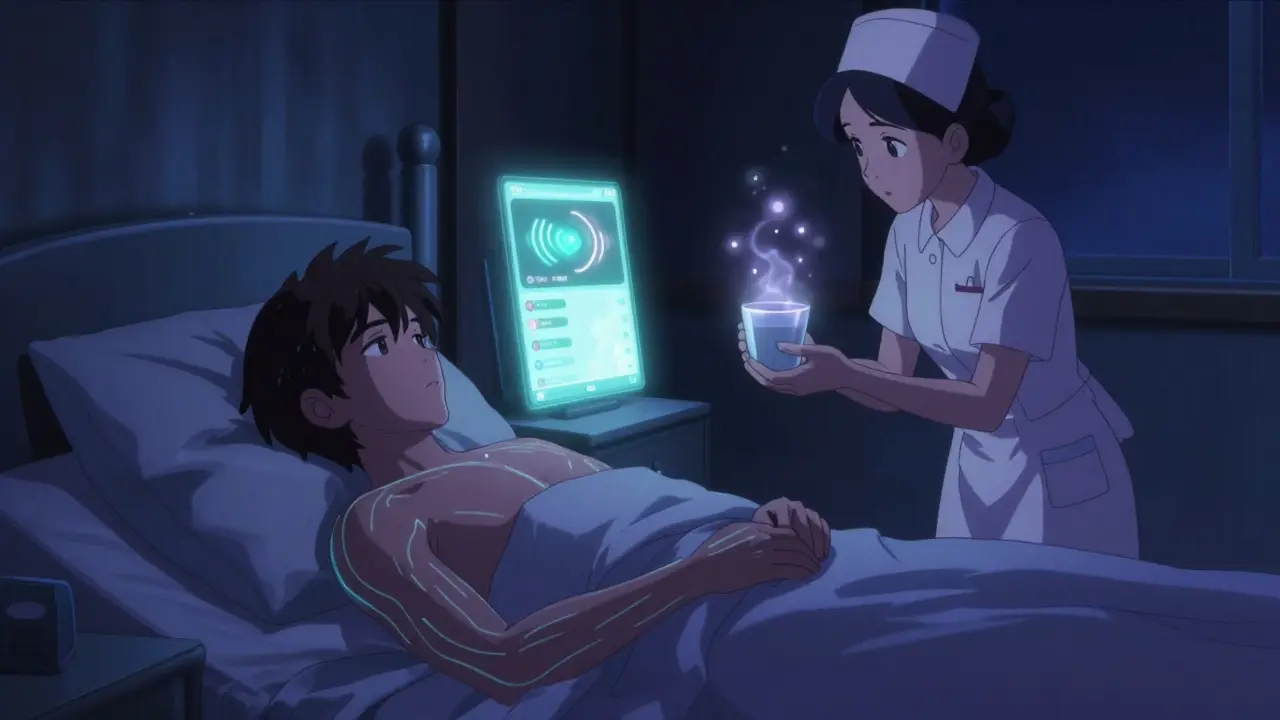
Technology is helping too. Apps like Mindstrong Health’s "Vitality" are now FDA-cleared digital therapeutics for cancer fatigue. They use guided breathing, activity tracking, and cognitive exercises to reduce fatigue scores by nearly 30%. Some cancer centers offer them for free.
And don’t underestimate education. Patients who had two or more sessions with a radiation nurse to learn skin care and fatigue management reported 40% fewer complications. Ask for a care plan. Write it down. Keep it in your phone or wallet.
When to Call Your Doctor
Some side effects need immediate attention. Call your oncology team if you notice:
- Open sores, pus, or foul-smelling drainage from the treatment area
- Fever over 100.4°F (38°C)
- Swelling, warmth, or red streaks spreading from the treatment site
- Difficulty breathing, chest pain, or sudden swelling in your arms or legs
- Fatigue so severe you can’t get out of bed for more than 24 hours
- Signs of depression: hopelessness, loss of interest in food or people, thoughts of not wanting to live
These aren’t normal. They need action. Your team is there to help-not just treat cancer, but help you live through it.
Saylor Frye
January 5, 2026 AT 12:42Kiran Plaha
January 6, 2026 AT 00:39Isaac Jules
January 7, 2026 AT 06:06Amy Le
January 8, 2026 AT 17:18Pavan Vora
January 9, 2026 AT 08:57Indra Triawan
January 9, 2026 AT 23:26Harshit Kansal
January 10, 2026 AT 05:51Brian Anaz
January 11, 2026 AT 18:57Venkataramanan Viswanathan
January 13, 2026 AT 16:57Vinayak Naik
January 15, 2026 AT 07:55Kelly Beck
January 15, 2026 AT 09:42Molly McLane
January 17, 2026 AT 04:05Katie Schoen
January 18, 2026 AT 04:28Beth Templeton
January 19, 2026 AT 09:33Tiffany Adjei - Opong
January 19, 2026 AT 16:27