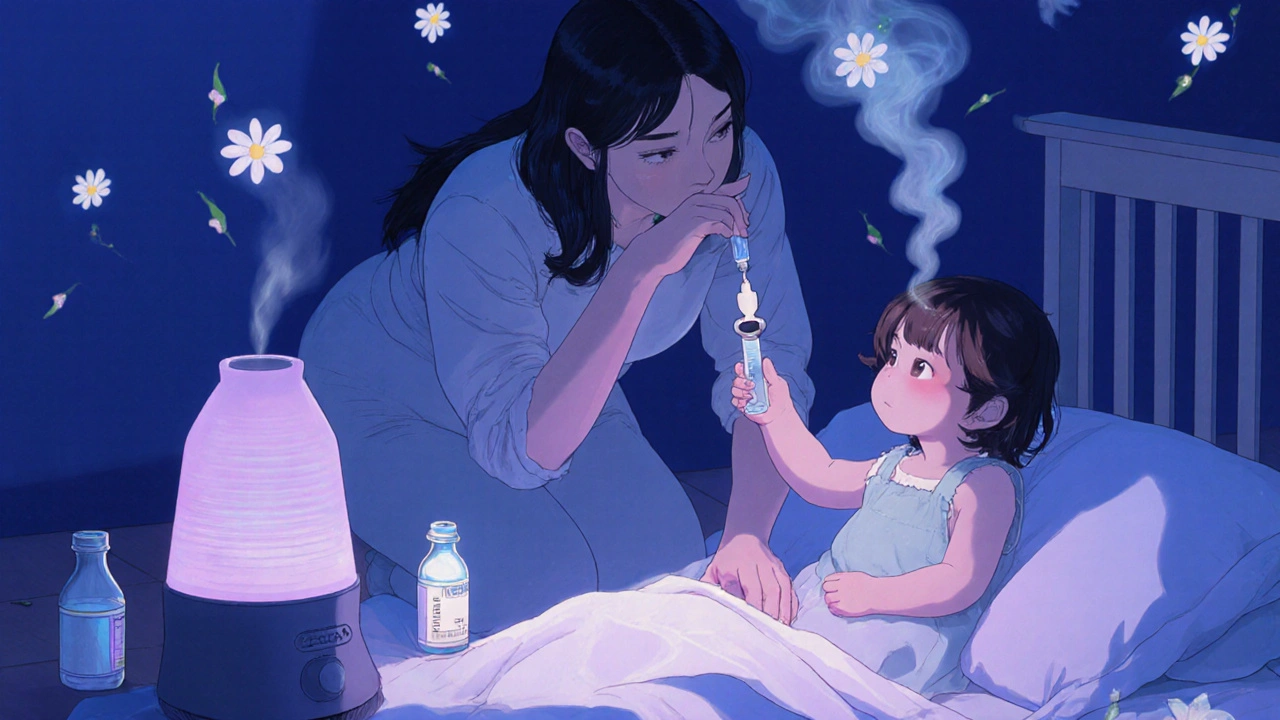
When your child is coughing, you want relief—fast. But children's cough medicine, over-the-counter remedies designed for kids under 12 to ease coughing and congestion. Also known as pediatric cough remedies, it's not always the answer you think it is. The FDA doesn’t recommend these products for kids under 6, and even for older kids, many studies show they don’t work better than a glass of water or honey. Yet pharmacies still stock shelves with colorful bottles promising quick fixes. What’s really going on here?
Most children's cough medicine contains dextromethorphan or guaifenesin—ingredients that reduce cough reflexes or thin mucus. But kids aren’t small adults. Their bodies process these drugs differently, and side effects like drowsiness, rapid heartbeat, or even seizures have been reported. The American Academy of Pediatrics says there’s no strong evidence that these syrups help kids recover faster. In fact, the best treatment for a simple cold cough is rest, fluids, and humidity. Honey (for kids over 1 year) works better than most syrups. And if your child has a fever, trouble breathing, or a cough that lasts more than two weeks, it’s not just a cold—it’s time to see a doctor.
What about OTC cough meds for kids, non-prescription products marketed specifically for children’s respiratory symptoms? Many contain antihistamines like diphenhydramine, which can dry out mucus but also make kids hyper or lethargic. Decongestants? They’re linked to high blood pressure and heart issues in young children. Even products labeled "natural" or "herbal" aren’t always safe—some contain unregulated ingredients that can interfere with other meds or cause allergic reactions. You’re not alone if you feel confused. Parents are bombarded with ads, aisle displays, and well-meaning advice. But the truth is simple: most coughs in kids are viral, self-limiting, and don’t need medicine.
So what do you do instead? Keep the air moist with a cool-mist humidifier. Offer warm liquids like broth or tea. Elevate their head slightly while sleeping. Use saline drops and a bulb syringe for a stuffy nose. And if you do reach for something, stick to single-ingredient products only when symptoms are severe—and always check the label for age and weight-based dosing. Never give adult medicine to a child, even in smaller amounts. Many parents don’t realize that liquid formulas vary wildly in concentration. One teaspoon of one brand might equal two of another.
There’s also a bigger picture here. child-friendly medications, formulations designed with taste, safety, and dosing accuracy for young patients are a growing focus in pediatric pharmacology. But progress is slow. Many drugs still lack proper pediatric testing, and manufacturers often rely on adult data to guess doses for kids. That’s why reporting side effects matters. If your child has a bad reaction to a cough syrup, filing a report with the FDA helps improve safety for everyone.
You’re not failing as a parent if you skip the medicine cabinet. Sometimes, doing nothing is the smartest thing you can do. The posts below will show you exactly what’s in common cough syrups, which ones are actually worth considering, what alternatives work better, and how to spot misleading labels. No fluff. No marketing. Just what you need to know to protect your child’s health.