
Valerian & Sedative Interaction Checker
Enter medications or supplements you're currently taking. This tool identifies dangerous combinations with valerian root.
Enter medications to check for dangerous interactions.
Important Note: This tool is for informational purposes only. It does not replace medical advice. Always consult your doctor or pharmacist before combining medications or supplements.
Many people turn to valerian root as a natural way to calm down, ease anxiety, or fall asleep faster. It’s been used for centuries, and today, millions of Americans take it without thinking twice. But what happens when you mix it with your prescription sleep aid, anxiety medication, or even a glass of wine? The answer isn’t simple-but the risks are real.
What Is Valerian, Really?
Valerian (Valeriana officinalis) is a flowering plant whose dried roots are made into teas, capsules, or tinctures. It’s not a drug. It’s a supplement. And that’s part of the problem. Unlike prescription medications, supplements like valerian aren’t tested for purity, strength, or consistency by the FDA. One bottle might have enough valerenic acid to make you drowsy. Another might have almost none. You won’t know unless you test it-and most people don’t.
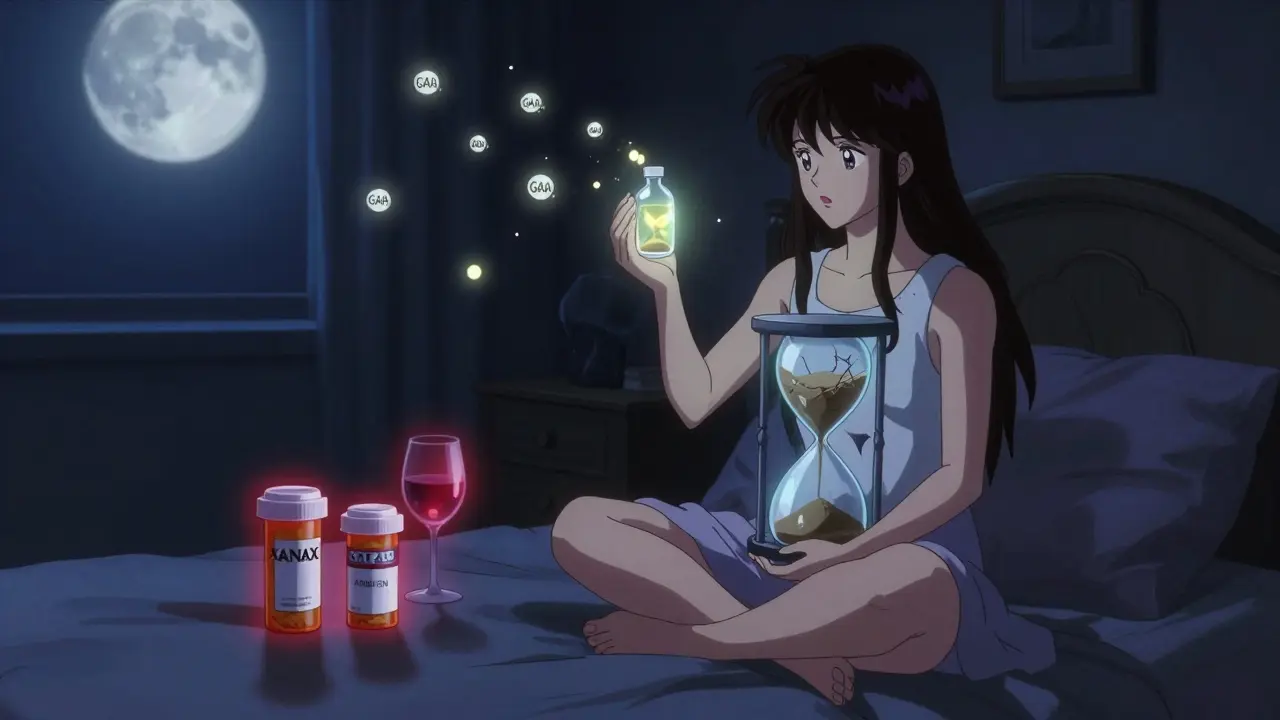
The science behind valerian points to its effect on GABA, a calming neurotransmitter in your brain. Valerenic acid, one of its main active compounds, blocks the enzyme that breaks down GABA. More GABA means less brain activity, which feels like relaxation-or sleepiness. Other compounds in valerian, like valepotriates, also contribute, though they’re unstable and break down over time. So even if you buy the same brand twice, the dose might be different.
Why Combining Valerian With Sedatives Is Dangerous
When you take something that slows down your nervous system-like alcohol, Xanax, Ambien, or even a muscle relaxer-you’re already lowering your brain’s alertness. Valerian does the same thing. When you stack them, the effects don’t just add up. They multiply.
Think of it like two people pushing a heavy door. Each one can push it open a little. Together, they force it wide open-maybe too wide. In your body, that means:
- Extreme drowsiness, even when you’re not trying to sleep
- Slowed breathing, which can become dangerously shallow
- Loss of coordination, increasing fall risk
- Confusion or trouble thinking clearly
- In rare cases, respiratory failure
WebMD labels the combination of valerian with alcohol or alprazolam (Xanax) as a major interaction-meaning you shouldn’t do it. For other sedatives, it’s marked as moderate, which still means proceed with extreme caution.
The Mayo Clinic says it plainly: valerian increases the sedative effect of depressants like benzodiazepines, narcotics, and barbiturates. And if you’re taking one of these for anxiety, insomnia, or chronic pain, you’re already walking a tightrope. Adding valerian without telling your doctor is like adding a second rope-only this one’s frayed.
What Medications Should You Avoid With Valerian?
It’s not just the obvious ones. Here’s a practical list of medications that can become risky when mixed with valerian:
- Alcohol - Even one drink can turn into a heavy dose of sedation when combined with valerian.
- Benzodiazepines - Xanax, Klonopin, Ativan, Valium. These work on the same GABA receptors as valerian.
- Barbiturates - Phenobarbital, secobarbital. Older sedatives, still used for seizures or anesthesia prep.
- Sleep medications - Ambien (zolpidem), Lunesta (eszopiclone), Sonata (zaleplon).
- Opioids - Oxycodone, hydrocodone, codeine. These already carry overdose risk. Valerian makes it worse.
- Antidepressants - Some, like trazodone or mirtazapine, have strong sedative side effects.
- Antihistamines - Benadryl, Unisom, and other OTC sleep aids. Many people don’t realize these are CNS depressants too.
- Anesthetics - If you’re scheduled for surgery or a dental procedure, valerian can cause unexpected over-sedation.
And here’s the scary part: you might not even know you’re taking a CNS depressant. A lot of people pop a Benadryl for allergies and think it’s harmless. Or they take melatonin, which is generally safe-but when combined with valerian and alcohol, it’s a recipe for trouble.

The Contradictory Study: Why Some Say It’s Fine
There’s one study that throws a wrench into the warnings. In 2005, researchers in Mexico tested valerian extract with six CNS depressants in mice. They expected stronger sedation. They didn’t find it. The study concluded valerian didn’t enhance the effects of the drugs.
But here’s what you need to know:
- The study used Valeriana edulis, not the common Valeriana officinalis used in U.S. supplements.
- It was done on mice-not humans.
- It tested specific extracts under controlled lab conditions, not real-world supplement variability.
That’s not proof it’s safe. It’s just one study with major limitations. Meanwhile, dozens of clinical guidelines, poison control reports, and pharmacology textbooks warn against the combination. One mouse study doesn’t override decades of human clinical experience.
Why You Might Not Hear About the Risks
Most people don’t tell their doctors they’re taking valerian. They think it’s “natural,” so it’s safe. A 2012 CDC survey showed nearly 18% of U.S. adults use herbal supplements. But only a fraction report it to their healthcare providers.
Doctors don’t always ask. And when they do, patients often say, “It’s just valerian-it’s not a drug.” But that’s the problem. It acts like one. And without regulation, you don’t know how much is in your bottle.
Some dental clinics now train staff to ask patients: “Have you taken anything-herbs, teas, supplements-before your appointment?” Because people show up sleepy after taking valerian for anxiety. They’re not lying. They just don’t realize it’s dangerous.

What Should You Do?
If you’re taking any sedating medication-prescription or over-the-counter-here’s what to do:
- Stop taking valerian until you’ve talked to your doctor or pharmacist.
- Bring your bottle to your appointment. Even if it’s empty, the label helps them check ingredients.
- Ask specifically: “Could valerian interact with my current meds?” Don’t say “Is this safe?” Say “Could it make my Xanax stronger?”
- Don’t assume natural = safe. Willow bark is natural, but it’s aspirin. Foxglove is natural-and deadly.
- If you’re about to have surgery or a dental procedure, stop valerian at least 2 weeks before. Tell your provider.
And if you’re using valerian for insomnia? Ask yourself: why am I still having trouble sleeping? Is it stress? Poor sleep habits? Sleep apnea? Valerian might be masking a bigger problem. The Mayo Clinic says persistent insomnia isn’t just a supplement issue-it’s a medical one.
Final Reality Check
There’s no confirmed report of someone dying from valerian and Xanax alone. But there are plenty of reports of people waking up confused, falling, or being found unresponsive after mixing sleep aids. The risk might be rare-but the consequences are severe.
Valerian isn’t evil. It’s not a poison. But it’s not harmless either. It’s a potent plant extract with real effects on your brain. And when you layer it on top of medications that already slow you down, you’re playing Russian roulette with your breathing.
Don’t guess. Don’t assume. Don’t rely on internet forums or “natural health” blogs. Talk to your doctor. Show them your bottle. Ask the question. It’s not about fear. It’s about knowing what’s really in your system-and keeping yourself safe.