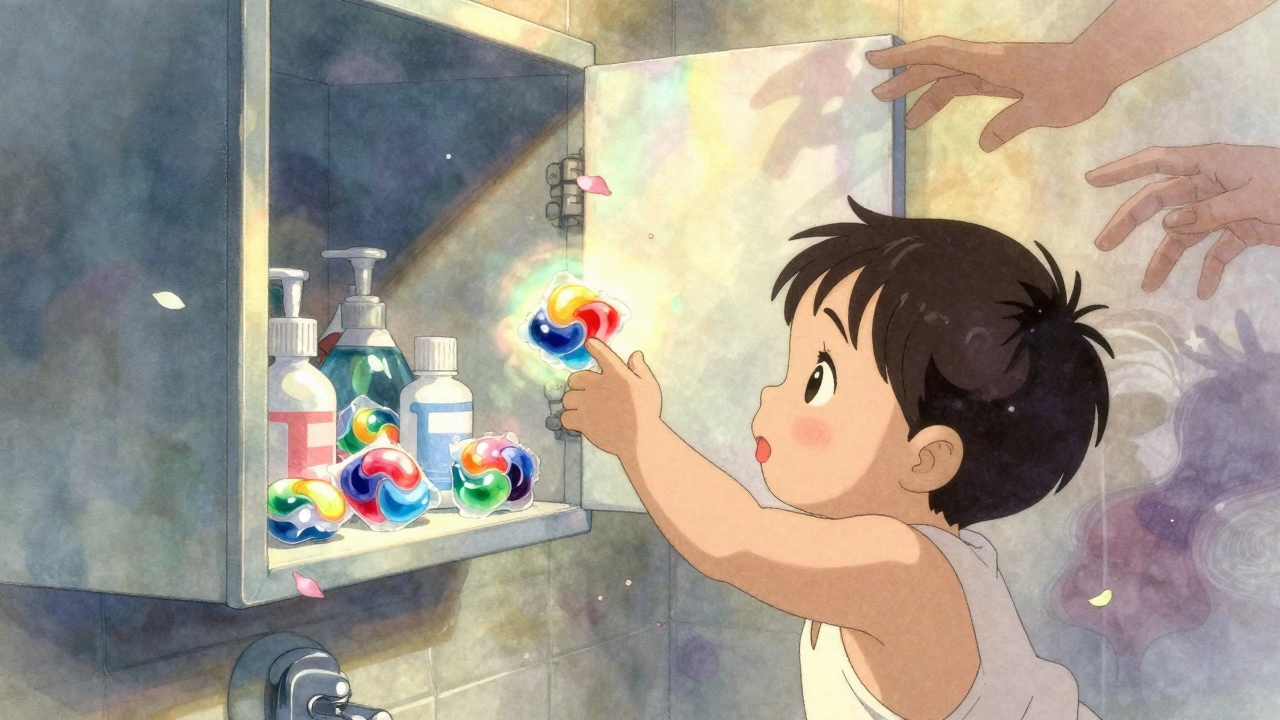
When you pick up a prescription or over-the-counter medicine, that tight, hard-to-open cap isn’t just annoying—it’s a child-resistant packaging, a safety feature designed to prevent young children from accessing potentially deadly medications. Also known as child-proof packaging, it’s required by law in the U.S. for most oral prescriptions and many common drugs like painkillers, antidepressants, and iron supplements. This isn’t just a box-checking rule. Every year, thousands of children end up in emergency rooms after accidentally swallowing pills, and child-resistant packaging has cut those numbers by more than half since the 1970s.
But here’s the thing: child-resistant doesn’t mean child-proof. Kids as young as 18 months can figure out how to open these caps with enough time and repetition. That’s why medication safety, the broader practice of keeping drugs away from children, pets, and vulnerable adults goes beyond the cap. It means storing pills in locked cabinets, not leaving them on nightstands, and never referring to medicine as candy—even if it’s gummy or colorful. The same logic applies to poison prevention, a public health strategy that includes securing cleaning products, vitamins, and even nicotine patches. These aren’t separate issues—they’re all part of the same safety system.
Not every drug needs child-resistant packaging. Some, like nitroglycerin for heart patients, are exempt because the user might need quick access during an emergency. But for most meds—especially those with narrow safety margins like opioids, sedatives, or thyroid pills—it’s non-negotiable. Even generics follow the same rules. If you switch from brand to generic, the packaging stays just as hard for kids to open. And if you’re traveling, remember: regulations vary by country. What’s standard in the U.S. might not be required elsewhere.
Parents, caregivers, and grandparents all play a role. Grandparents’ homes are a top source of accidental poisonings—often because pills are left out in purses, drawers, or on counters. The same goes for visitors who leave meds in guest bathrooms. Child-resistant packaging is a tool, not a solution. Real safety comes from habits: putting things away after use, using original containers, and keeping track of how many pills are left. If you’re worried about forgetting, try a locked pill box with a timer. If you’re visiting someone’s house, ask where the meds are stored. A simple question can prevent a tragedy.
Below, you’ll find real stories and facts about how medications interact with other drugs, how insurers manage drug costs, and how side effects are reported—all tied to the same core issue: keeping the right medicine in the right hands. Whether you’re managing your own prescriptions, caring for a child, or just trying to understand why your pill bottle is so hard to open, these posts give you the practical, no-fluff details you need to stay safe.