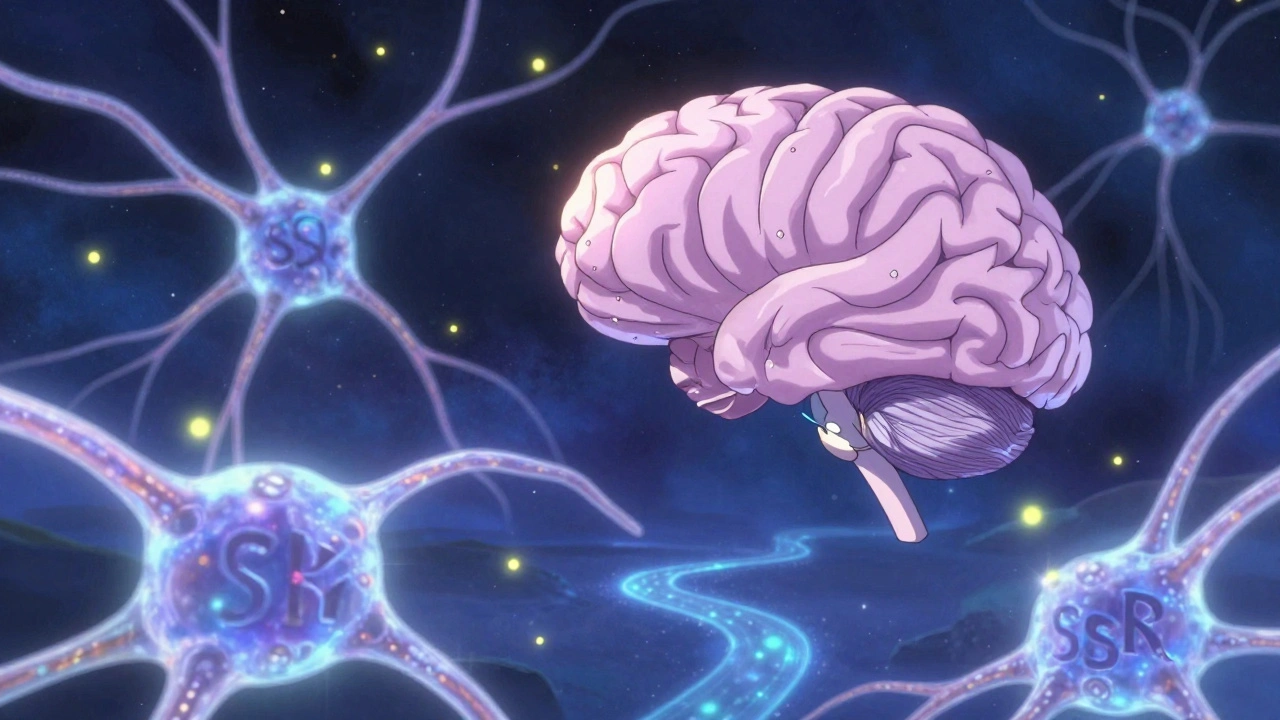
When you hear SSRIs, selective serotonin reuptake inhibitors are a class of antidepressants that increase serotonin levels in the brain to improve mood. Also known as serotonin reuptake inhibitors, they’re among the most prescribed medications for depression, anxiety, and OCD. Unlike older antidepressants, SSRIs target one main chemical in the brain—serotonin—without hitting dozens of other receptors, which is why they’re often the first choice for doctors. But how exactly do they do that? It’s not magic. Your brain uses serotonin to send signals between nerve cells that control mood, sleep, and stress. When you’re depressed, those signals can get weak or messy. SSRIs block the reabsorption (reuptake) of serotonin back into nerve cells, leaving more of it floating in the space between cells. That extra serotonin helps the brain send clearer, steadier signals. It’s like turning up the volume on a quiet conversation.
Not everyone responds the same way. Some people feel better in a few weeks. Others need to try a few different SSRIs before finding one that fits. That’s because serotonin isn’t the only player. Genetics, stress levels, and even gut health can change how your brain reacts. SSRIs don’t fix life problems—they help your brain handle them better. They’re not stimulants or mood enhancers. You won’t suddenly feel euphoric. Instead, the fog lifts slowly. You might notice you’re sleeping better, or you can handle a tough day without crying. That’s the real win.
Side effects are common at first—nausea, drowsiness, sexual issues—but they usually fade. If they don’t, it’s not a sign you’re failing. It might mean your body needs a different SSRI. Some people worry these drugs change who they are. They don’t. They help you get back to yourself. And while SSRIs are often used alone, they work even better with therapy. Talking to someone helps your brain form new patterns, and SSRIs give your brain the chemical support to make those changes stick.
What you’ll find below are real stories and facts about how SSRIs interact with other meds, why they sometimes stop working, how long they take to kick in, and what to do when things go sideways. We’ve pulled together posts that show how SSRIs relate to thyroid meds, supplements like ashwagandha, and even how your body handles them over time. No fluff. Just what you need to know to use them safely and understand what’s really happening inside your brain.