When it comes to medicine safety for kids, the rules are different than for adults because children’s bodies process drugs differently and are more sensitive to side effects. Also known as pediatric medication safety, this isn’t just about giving the right amount—it’s about knowing which medicines shouldn’t be given at all. The FDA has warned for years that over-the-counter cough and cold medicines aren’t safe for kids under 6, and yet many parents still reach for them out of worry. These products don’t cure colds, don’t speed up recovery, and can cause serious side effects like rapid heart rate, seizures, or even death in young children.
One of the biggest hidden dangers is drug interactions in kids, when a child’s medicine reacts badly with another drug, supplement, or even food. For example, St. John’s Wort or ashwagandha—often seen as harmless natural remedies—can interfere with thyroid meds or antidepressants if a child is taking them. Even common pain relievers like ibuprofen can trigger dangerous breathing reactions in kids with asthma. These aren’t rare cases. They’re documented risks that show up in emergency rooms every year.
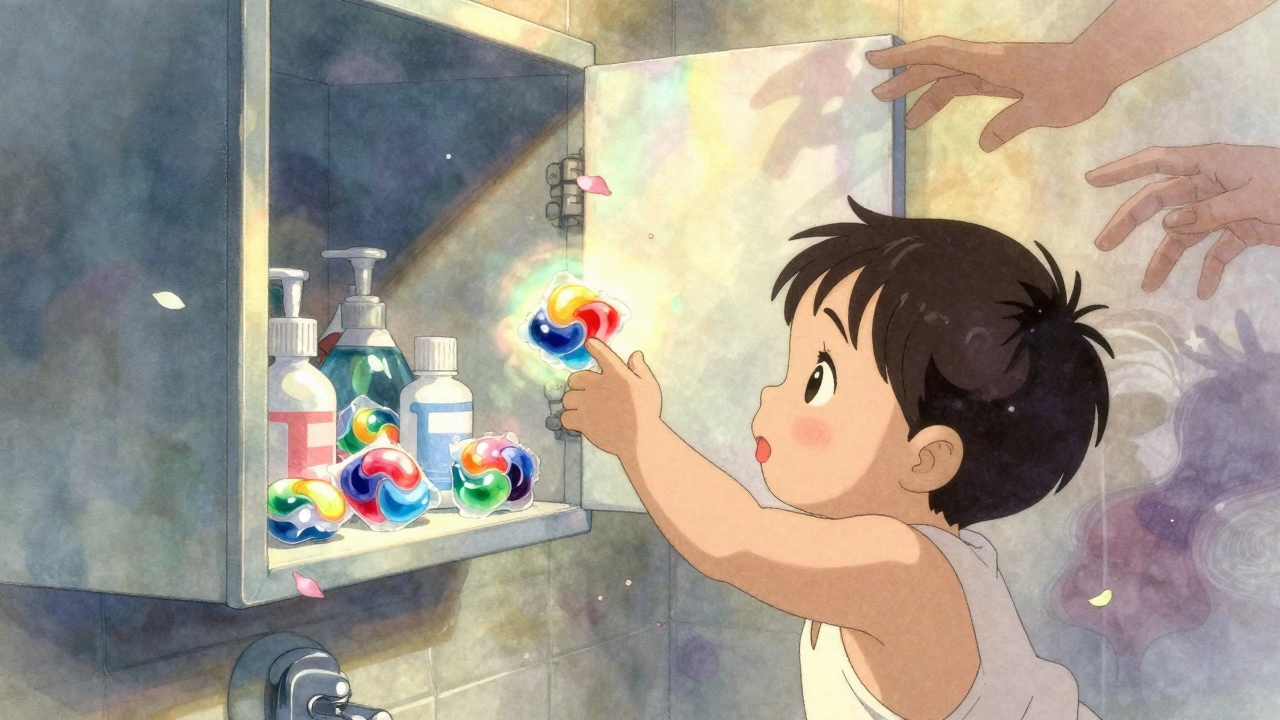
And it’s not just about what’s in the bottle. The way you store meds matters. A child who grabs a bottle of adult pills thinking it’s candy can end up in intensive care. Or a parent might use a kitchen spoon to measure liquid medicine, not realizing that a teaspoon isn’t the same as a dosing syringe. Small mistakes add up. That’s why medicine safety for kids also means knowing how to read labels, how to use measuring tools correctly, and when to call a doctor instead of reaching for the medicine cabinet.
What you’ll find in the posts below are real, practical guides written for parents and caregivers who want to avoid common traps. You’ll learn why the FDA says to skip OTC cold meds for toddlers, how to spot fake generics at the pharmacy, what to do if your child has a reaction after switching to a generic, and how to safely travel with medications abroad. There’s no fluff here—just clear facts, real examples, and steps you can take right now to keep your child safe. Whether you’re dealing with a fever, a cough, or a chronic condition, this collection gives you the tools to ask the right questions and make smarter choices.