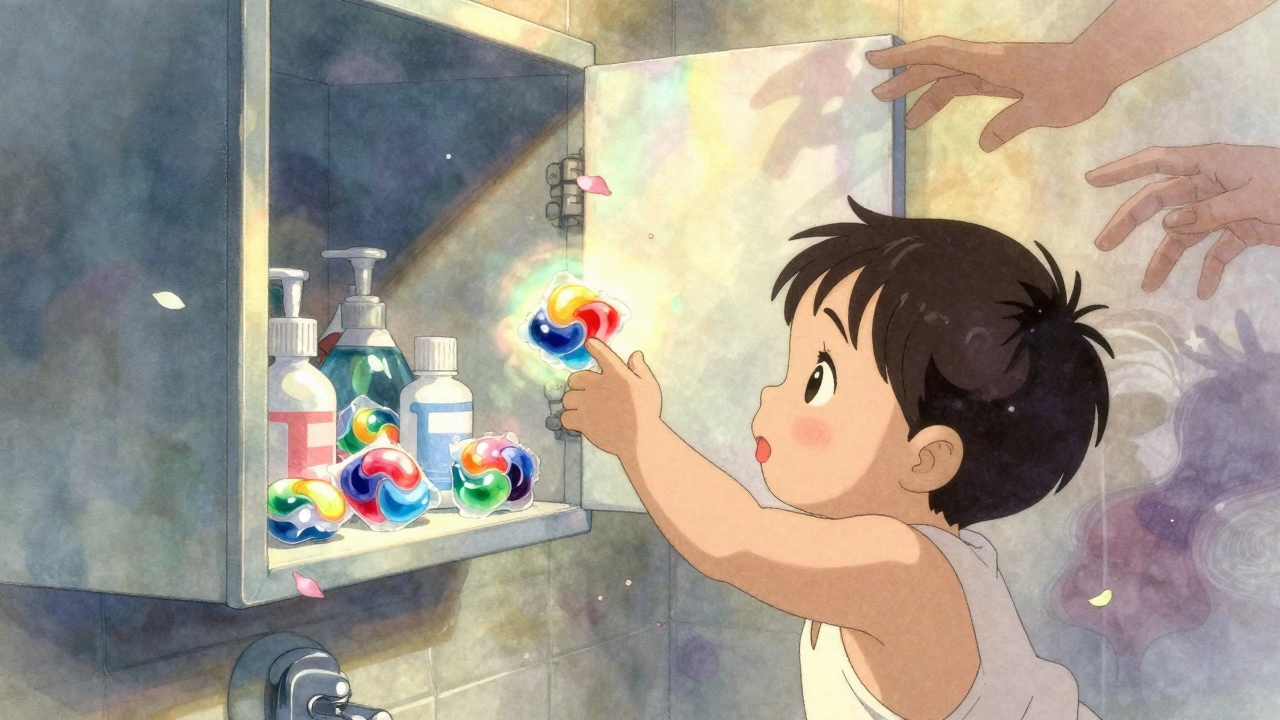
When someone takes too much of a medicine—or the wrong one—poison control tips, practical steps to follow during a medication emergency to prevent serious harm or death. Also known as drug overdose response, these tips aren’t just for kids—they matter for adults taking multiple prescriptions, seniors mixing supplements, and anyone who keeps meds within reach. Every year, over 2 million calls are made to U.S. poison control centers, and nearly half involve medications. Most of these cases happen at home, often because someone didn’t realize a pill could be dangerous in the wrong dose, or mixed with another drug, food, or alcohol.
Medication safety, the practice of using drugs correctly to avoid harm, including proper storage, dosing, and avoiding interactions. It’s not just about reading labels—it’s about understanding what happens when things go off track. For example, taking St. John’s Wort with antidepressants can drop drug levels to useless amounts. Grapefruit juice can turn a normal statin dose into a toxic one. Even common OTC painkillers like ibuprofen can trigger dangerous reactions in people with asthma. These aren’t rare edge cases—they’re real, documented risks that show up in emergency rooms daily.
Poison prevention, proactive steps to stop medication accidents before they happen, like locking up drugs, using child-resistant caps, and keeping meds out of sight. Most poisonings are preventable. A child grabs a bottle of pills because it looks like candy. An older adult takes two doses by accident because the bottles look alike. Someone takes a supplement thinking it’s "natural" and safe, not knowing it clashes with their blood thinner. These aren’t mistakes from carelessness—they’re failures in systems we all rely on: labeling, storage, education.
What you’ll find below isn’t theory. It’s real advice pulled from posts that deal with the messy, dangerous side of meds: how SSRIs increase bleeding risk when mixed with blood thinners, how ashwagandha can push thyroid levels into danger zones, how topical steroids can cause skin damage if used too long. These aren’t hypotheticals. They’re cases that led to ER visits, hospitalizations, and sometimes worse.
If you’ve ever wondered what to do if a child swallows a pill, or if you accidentally took two doses of your blood pressure med, or if you’re worried about mixing your supplements with your prescriptions—this collection has your back. No fluff. No guesswork. Just clear, actionable steps based on what actually works in emergencies and how to avoid them before they start.